
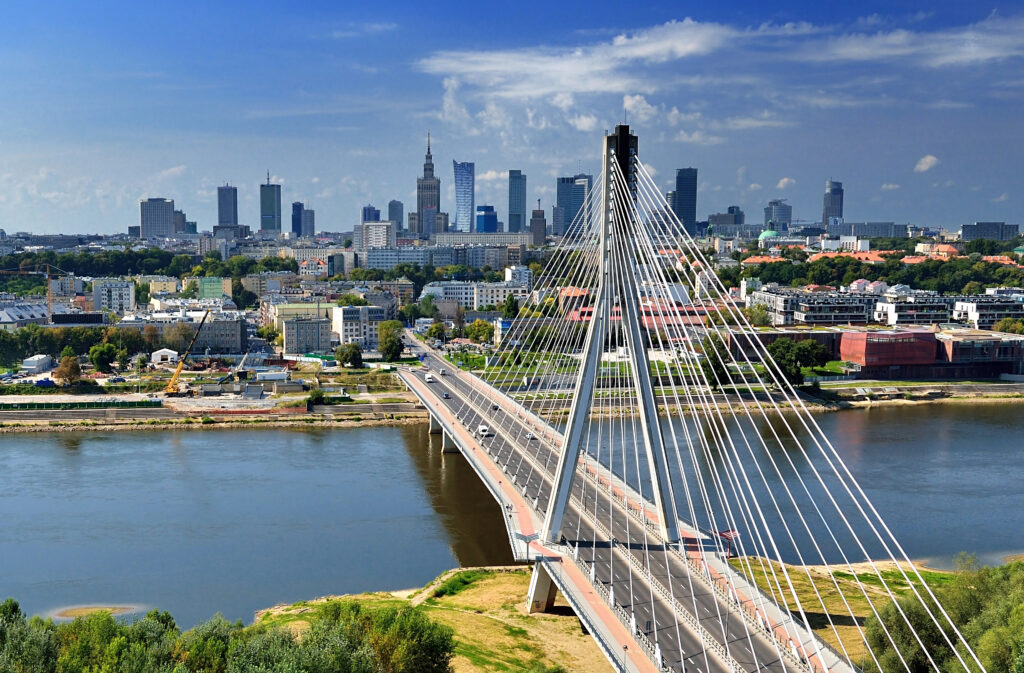
Praga-Północ
A neighbourhood in the right-bank district of Warsaw was chosen by the Polish research team. The with about 59,000 residents on 11.3 km² and a population density of around 5,500 people per km². The area combines pre-war tenements, post-war blocks, and revitalised industrial sites.
Regeneration is ongoing, but social vulnerability remains high. The population is diverse: long-term working-class families, artists, young professionals, and migrants from Eastern Europe, mainly Ukraine and Georgia. Green space is limited – about 9.5 m² per resident, with green areas covering 5% of the district. There are 37 ha of parks, 12 ha of small greens, and 56 ha of street greenery. Key assets include Park Praski (18.5 ha), the Warsaw Zoo, and new pocket parks and biocenotic gardens. Recent greening efforts added over 8,800 shrubs and 113 trees. Despite improvements, the neighbourhood remains one of Warsaw’s most socially vulnerable districts, with high unemployment intensity (32 per 1,000 working-age residents).
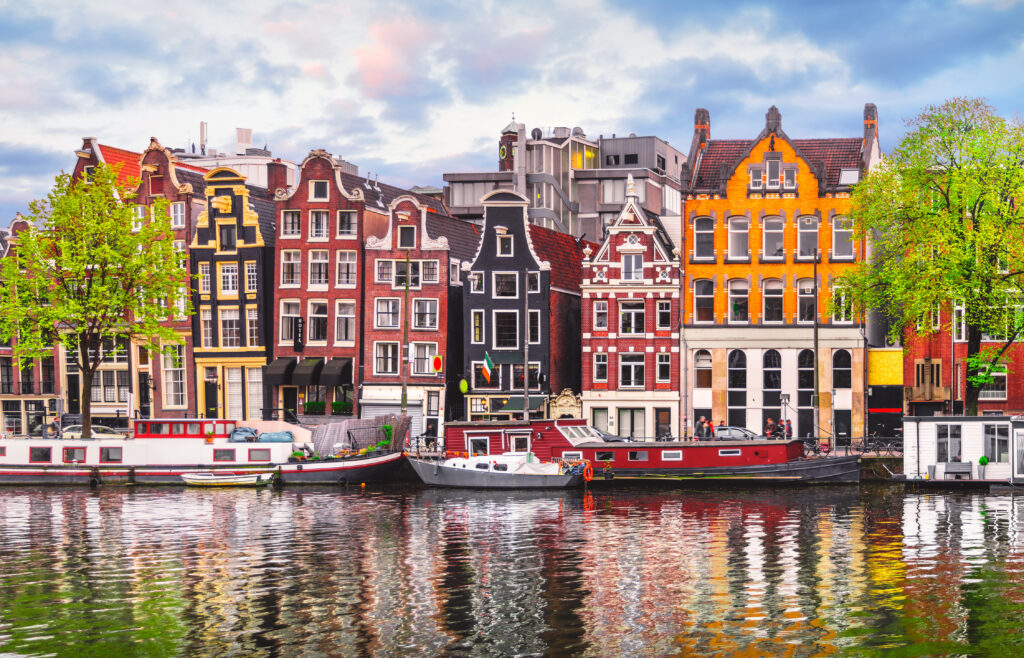
the western part of Amsterdam
A neighbourhood in the western part of Amsterdam was chosen by the Dutch research team. In 2025, the neighbourhood had 9,365 residents. It is a densely populated area, with about 4,200 homes per km2. Most of the houses were built between 1950 and 1975, and many homes are apartments.
The neighbourhood has a diverse population. About 22% of the residents are native Dutch. Around 11% have a background from other European countries, and 67% have a background from outside Europe. Among residents aged 15 to 75, about 42% have followed practical education, 33% medium-level education, and 25% higher or theoretical education.
Many children in this neighbourhood have overweight or obesity. In 2017, this was the case for 28% of children, which is one of the highest rates in Amsterdam. For this reason, the neighbourhood is a focus area of the Amsterdam Healthy Weight Approach.
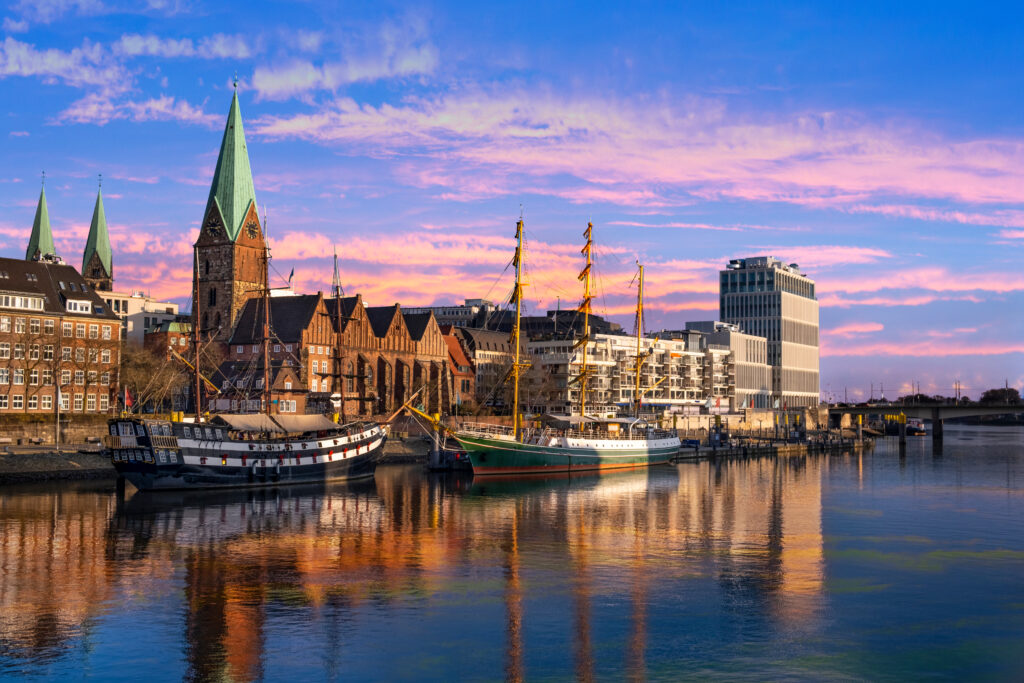
northern part of the city of Bremen
A neighbourhood in the northern part of the city of Bremen, at the edge of the city to a more rural area, was chosen by the German research team. This neighbourhood has about 10. 000 residents. The neighbourhood was many established in the 1960ies with many housing block (mostly 5-story blocks), but also semi-detached houses. Apart from a couple of main streets, there is not too much traffic and it is quite greenish (tree from the 1960ies, large park nearby).
The sociodemographic make-up is mixed with migrants from Eastern Europe (Poland and former USSR) arriving in the 1990ies and a recent influx of refugees. Prevalence of childhood overweight/obesity (age 5-6, school entry) was 19.9% in 2020-2022. Since 2020 the neighbourhood is part of a city programme for underserved neighbourhoods.
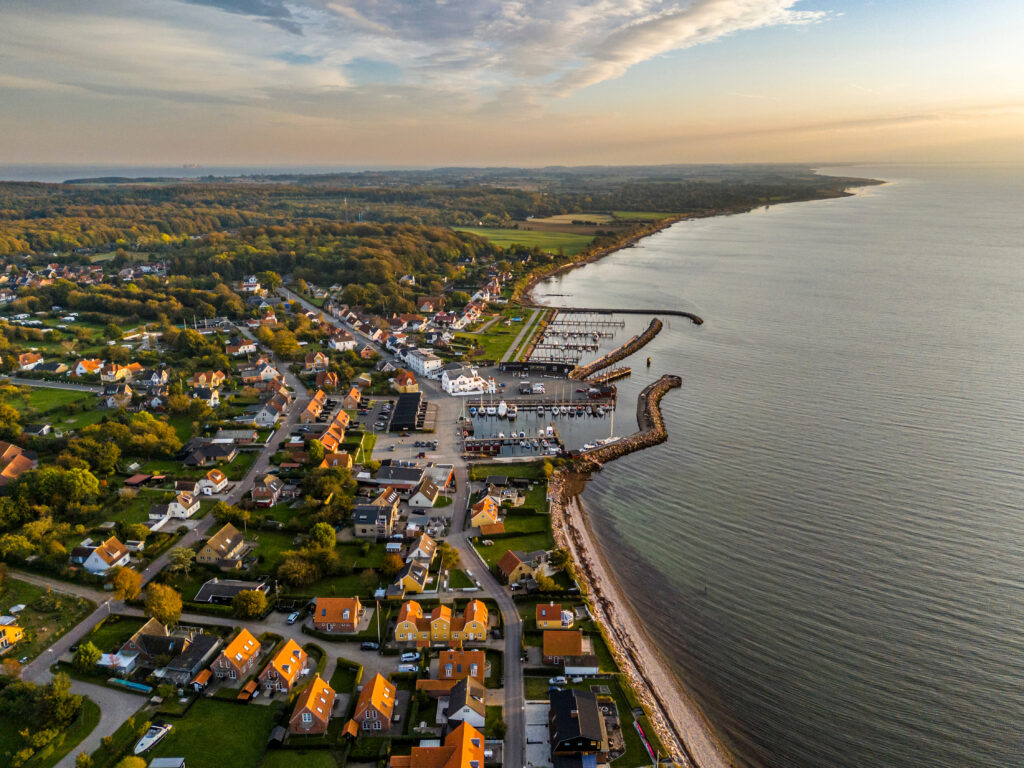
Rudkøbing, on an Island called Langeland
A neighbourhood in the city of Rudkøbing, on an Island called Langeland, was chosen by the Danish research team.
The municipality of Langeland has approximately 12.000 inhabitants, which is making it one of the smallest municipalities in Denmark. It is located on the outskirts of Denmark and is sparsely populated, with only 41 inhabitants per square kilometre. The surrounding landscape is predominantly rural, featuring extensive green nature areas and being almost entirely encircled by water. The area face demographic shifts such as population decline and aging, where approximately 12% are children aged 0–17. Additionally, the municipality struggles with socioeconomic challenges, including higher unemployment and lower educational levels than the national average.
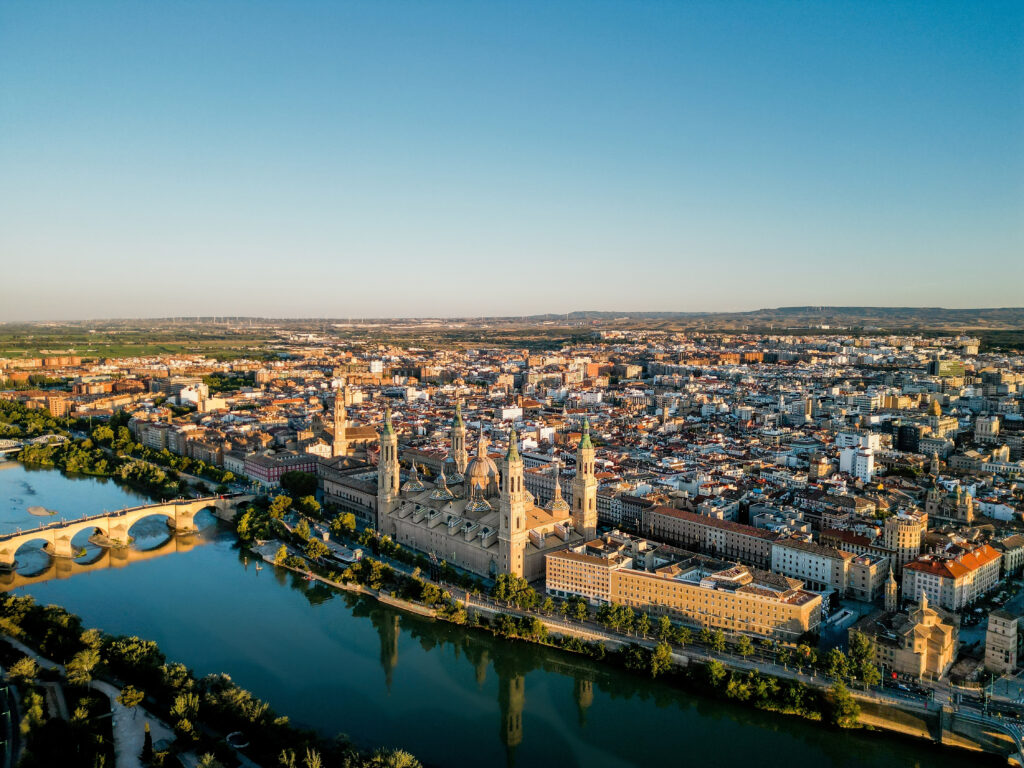
located on the left bank of the city of Zaragoza
A neighbourhood in located on the left bank of the city of Zaragoza was chosen by the Spanish research team. Zaragoza is a medium-sized city in northeastern Spain, with around 700,000 inhabitants. This neighbourhood has about 78.548 residents. This neighbourhood, with the second highest percentage of population and the fourth largest in terms of area (of the urban districts), is made up of different neighbourhoods and even includes an industrial estate.
The neighbourhood is classified as middle-income area but presents lower average income and education levels compared to the city as a whole. Its cultural diversity and social context make it relevant setting for addressing health inequalities. The sociodemographic make-up is mixed with migrants, 10.8% of its total inhabitants. 43.5% come from Europe, 25.8% from Africa, 23.6% from America and almost 7% from Asia. The most represented countries are Romania with 31.8%, Morocco with 8.9%, followed by Ecuador, China, Colombia and Senegal, with between 4% and 6%.
In terms of public transport, it has above-average accessibility to urban and interurban buses and the council’s bicycle system. It has a good provision of green areas, similar to the city average.